Introduction to Mail Order Brides and Common Misconceptions
Mail order brides represent a topic spanish dating often fraught with misunderstanding and stereotypes. At its simplest, mail order brides are women who connect with men overseas through dedicated matchmaking services. However, misconceptions about their motives and experiences are widespread.
In this article series, we intend to explore the veracity behind these myths and shed light on the genuine lives faced by mail order brides. Supported by expert analysis and testimonies, audiences can obtain a clearer picture of this complex social phenomenon.
Historical Context and Evolution of Mail Order Brides
The concept of mail order brides has origins that stretch back several hundreds of years, particularly in periods when migration and colonization were commonplace. Back then, mail order bride practices were prevalent as settlers sought familial establishments through distant matchmaking.
The motivations behind these historical practices were largely economic and societal. As communication advanced, the nature of mail order bride interactions changed, moving online.
Modern-day mail order brides typically use websites and matchmaking services for international introductions. Such shifts introduce complexities and opportunities integral to understanding modern mail order brides.
Exploring Misbeliefs Around Mail Order Brides
One widespread myth is that mail order brides are victims forced into marriage against their will. While abuse cases exist and must be acknowledged, this generalization is inaccurate.
The stereotype suggests mail order brides prioritize wealth above all else. The real driving forces involve complex interpersonal and cultural factors.
Many assume that mail order bride marriages are fragile and do not endure. However, numerous couples have established strong, loving relationships.
Truths about the Journeys and Realities of Mail Order Brides
Mail order brides encompass a broad spectrum of nationalities and individual tales. Building real, lasting connections is a central pursuit for many mail order brides.
Many mail order brides must navigate the challenges of immigration and integration. Support from spouses and communities significantly affects their experiences.
Exploitation is a risk but not the universal outcome for mail order brides. Enhanced understanding and stronger laws support the wellbeing of women in these arrangements.
Conclusion: Balancing Myths and Reality
All things considered, myths have created an incomplete image of mail order brides. Understanding the full context and varied experiences enriches our perspective on these women.
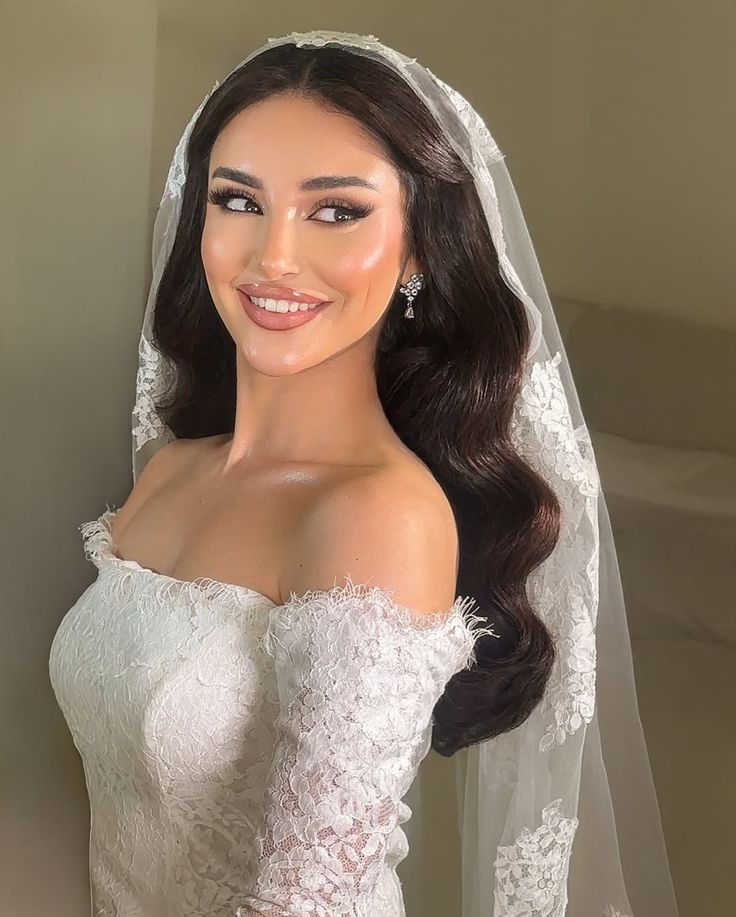
Though challenges exist and deserve focus, success stories predominantly emphasize positive relationships. Enhancing public awareness and supporting ethical matchmaking processes improves outcomes.