Origins and Early Practices
Mail order brides first appeared many centuries ago as a response to societal needs involving distant marriages.
In pioneer and frontier days, especially in America, mail order bride listings were frequently used by men seeking wives abroad or from distant lands.
Economic forces and a scarcity of women in frontier settlements spurred the rise of mail order uk dating app brides, addressing the gender imbalance.
Mail order bride correspondence started with letters and ads but eventually matured into organized catalogs and agencies.
Global Perspectives and Cultural Variations
Globally, the practice of mail order brides has taken on distinct forms depending on cultural and historical backgrounds.
In Asia, particularly in parts of China, Japan, and Southeast Asia, the practice often involved arranged marriages to balance skewed gender ratios caused by historical events.
Across Europe, the history of mail order brides combined with migration trends and colonial ventures.
The tradition of mail order brides in Latin America melds native cultural legacies with European colonization.
Countries such as the Philippines and those in Eastern Europe are prominent in today’s mail order bride markets, reflecting modern social changes.
Underlying Economic and Social Factors
Financial motivations commonly fuel the mail order bride phenomenon across different eras.
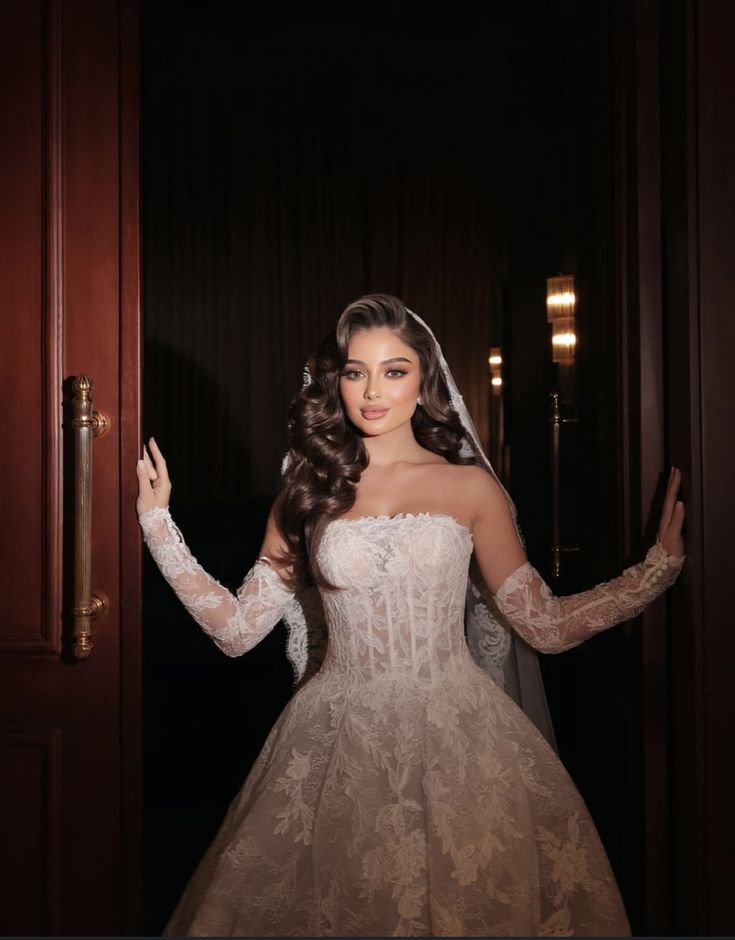
Men settling in frontier or undersupplied regions sought spouses to help build families and communities.
Women, in turn, often viewed marriage abroad as a chance for economic mobility or escape from difficult circumstances.
Social and economic hardship coupled with demographic imbalances continue to maintain mail order bride usage.
Many historical accounts note the important role mail order brides played in stabilizing frontier societies and encouraging population growth.
Communication Methods and Evolution Over Time
The early communication method relied heavily on letters sent by post, requiring long waiting periods for responses.
As newspaper ads developed, they provided a structured and public way for mail order brides to be introduced.
Telegraph and early phones improved speed, yet lengthy letters continued to convey the more intimate information.
Modern digital technology has transformed the practice, with websites and instant communication reshaping how couples connect.
Though communication advances ease relationship-building over borders, they require careful navigation to avoid pitfalls.
Contemporary Legal Challenges
The legal regulation of mail order brides is diverse, influenced by national interests and cultural standards.
Certain nations impose regulations such as mandatory screening, formalized agreements, and residency conditions to safeguard participants.
Concerns about fairness, exploitation, and objectification frequently frame ethical scrutiny of mail order bride practices.
Advocates stress empowerment, cultural exchange, and personal agency in contracts formed through this tradition.
Laws continue adapting to ensure safety, respect autonomy, and enhance social outcomes for mail order bride participants.